
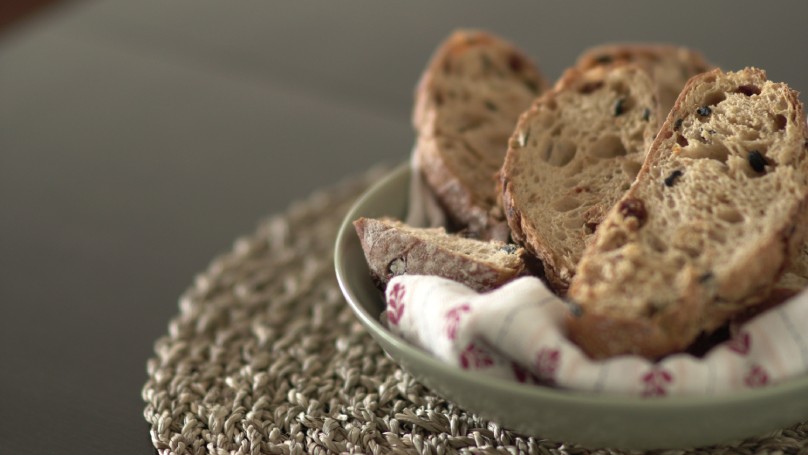
Imagine walking into a bakery early in the morning. The smell of freshly baked bread fills the air, the dough slowly rises behind the counter, and every product tells a different story. But have you ever wondered what creates that beautiful texture, soft crumb, and unique taste? Is it yeast working quietly overnight, or is it baking powder creating instant magic inside the oven?
For centuries, bakers have searched for the best way to make dough rise. Some rely on yeast, a living microorganism that transforms simple flour and water into flavorful bread. Others choose baking powder, a chemical leavening agent that delivers quick and predictable results. Both ingredients have changed the baking industry, but they create completely different experiences.
Choosing between yeast dough and baking powder is not just a technical decision. It is like choosing between a slow-cooked traditional meal and a quick modern recipe. One builds complexity over time, while the other focuses on speed and convenience.
Yeast Dough or Baking Powder: Understanding the Main Difference
When we talk about making dough rise, yeast and baking powder might seem like two ingredients with the same purpose, but they actually work in completely different ways. Yeast is a living organism that needs time, warmth, and the right environment to create carbon dioxide through fermentation. This gas becomes trapped inside the dough structure and creates the soft, airy texture that we expect from bread. Baking powder, on the other hand, works through a chemical reaction and produces gas almost immediately when it becomes wet and heated.
Think about them like two different artists. Yeast is a traditional painter who slowly builds every detail, creating depth and character over time. Baking powder is more like a digital designer who delivers fast and predictable results. Both can create beautiful outcomes, but the final product tells a different story.
For professional bakers, choosing between yeast and baking powder depends on the product they want to create.
Some important differences include:
| Feature | Yeast Dough | Baking Powder |
|---|---|---|
| Working process | Biological fermentation | Chemical reaction |
| Rising time | Several hours | Minutes |
| Flavor | Rich, complex, slightly fermented | Mild and neutral |
| Best for | Bread, pizza, buns | Cakes, biscuits, quick breads |
| Texture | Chewy and elastic | Soft and cake-like |
| Skill level | Requires experience | Easier for beginners |
In simple words, yeast creates a journey, while baking powder creates a shortcut. Neither one is universally better. The right choice depends on what story you want your baked product to tell.

The Story Behind Dough Rising: From Ancient Bread to Modern Baking
The history of rising dough is actually the history of human creativity. Thousands of years ago, ancient civilizations discovered that dough left in a warm environment could become lighter and more flavorful. They did not understand microorganisms or fermentation science, but they noticed that naturally fermented dough created better bread.
Ancient Egyptians were among the first cultures to use fermented dough techniques. They allowed dough to rest and discovered that tiny invisible organisms could transform simple grains into delicious bread. This discovery became the foundation of modern yeast baking.
For centuries, bakers passed their fermentation knowledge from one generation to another. A baker’s sourdough starter was often considered a valuable family possession because it carried unique microorganisms that influenced flavor and texture.
Later, as food production became industrialized, manufacturers searched for faster solutions. This demand led to the development and popularity of chemical leavening agents such as baking powder.
The evolution looked something like this:
- Ancient civilizations: Natural fermentation and wild yeast
- 19th century: Commercial yeast production begins
- Modern era: Baking powder becomes popular for fast baking
- Today: Both ingredients serve different markets
The bakery industry did not replace yeast with baking powder or vice versa. Instead, it created two different paths for different products.
How Yeast Works in Dough: The Science Behind Fermentation
Yeast is one of the most fascinating ingredients in baking because it is alive. Unlike baking powder, which simply reacts chemically, yeast behaves like a tiny worker inside your dough. When you mix yeast with flour, water, and sugar, it begins consuming available sugars and converting them into carbon dioxide and alcohol.
The carbon dioxide creates small bubbles inside the dough. These bubbles expand and become trapped within the gluten network created by flour proteins. This process gives bread its characteristic volume, softness, and structure.
The fermentation process also creates hundreds of flavor compounds. This is why bread made with yeast often has a deeper aroma and more complex taste compared with products made with chemical leaveners.
The main factors affecting yeast performance include:
- Temperature: Yeast works best in a warm environment.
- Moisture: Water activates yeast cells.
- Sugar availability: Provides energy for fermentation.
- Salt level: Controls yeast activity.
- Fermentation time: Longer fermentation usually creates more flavor.
A professional baker understands that yeast is not simply an ingredient; it is a process. Good bread requires patience because yeast needs time to develop its full potential.
How Baking Powder Works
Baking powder represents a completely different approach to creating volume. Instead of relying on living organisms, it uses chemistry to produce carbon dioxide gas. When baking powder mixes with liquid and heat, its acidic and alkaline components react together, releasing gas bubbles that expand during baking.
This quick reaction makes baking powder extremely useful for products that do not require long fermentation. Imagine a baker preparing dozens of cakes, muffins, or biscuits. Waiting several hours for yeast fermentation would not be practical. Baking powder allows production to move faster while maintaining consistent results.
Modern baking powders usually contain three main components:
| Component | Function |
|---|---|
| Baking soda | Provides alkaline base |
| Acid salts | Trigger gas production |
| Starch | Prevents unwanted reactions during storage |
One of the biggest advantages of baking powder is predictability. A baker can measure a specific amount and expect similar results every time.

Advantages of Using Yeast Dough in Baking
Yeast has remained one of the most important bakery ingredients because it offers benefits that go beyond simply making dough rise. The fermentation process creates unique flavors, improves texture, and gives bread its traditional characteristics.
Many consumers can immediately recognize yeast-based products because of their aroma and structure. A fresh loaf of bread with a crispy crust and soft interior usually depends on proper yeast fermentation.
For bakeries and manufacturers, yeast provides several advantages:
- Creates authentic bread flavor
- Improves dough elasticity
- Produces larger volume
- Supports traditional recipes
- Enhances customer perception of quality
Another important advantage is the emotional connection people have with yeast bread. Bread is not only food; it represents tradition, family, and culture. In many countries, including Iran, fresh bread has a special place in daily life. Products made with quality yeast can maintain these cultural expectations while meeting modern production standards.
Advantages of Using Baking Powder in Bakery Products
Baking powder has become one of the most practical ingredients in modern baking because it solves one of the biggest challenges in food production: time. Unlike yeast, baking powder does not require fermentation, waiting periods, or special temperature control. Once it combines with moisture and heat, it immediately starts producing gas and helping the dough expand.
This characteristic makes baking powder extremely valuable for businesses that need fast production cycles. Imagine a bakery preparing hundreds of muffins, cakes, cookies, or biscuits every morning. Using yeast for these products would slow down the entire operation. Baking powder provides speed, consistency, and convenience.
The main advantages of baking powder include:
- Fast results: Products can move from preparation to baking quickly.
- Simple handling: It does not require fermentation expertise.
- Reliable performance: The chemical reaction remains consistent when stored correctly.
- Suitable for delicate products: It creates a soft and tender texture.
However, baking powder has limitations. It creates volume but does not produce the same depth of flavor as fermented dough. A cake made with baking powder can be soft and attractive, but it usually lacks the rich aroma associated with traditional yeast bread.
Yeast Dough vs Baking Powder: Complete Comparison Table
When choosing between yeast dough and baking powder, the most important factor is understanding the final goal. A bakery product is not only about appearance. Texture, flavor, shelf life, production cost, and customer expectations all influence the decision.
A small bakery making traditional bread may prefer yeast because customers expect a specific aroma and structure. Meanwhile, a factory producing packaged cakes may choose baking powder because it offers faster production and easier quality control.
The following comparison shows the main differences:
| Category | Yeast Dough | Baking Powder |
|---|---|---|
| Type | Biological leavening agent | Chemical leavening agent |
| Activation | Requires water, warmth, and time | Activated by moisture and heat |
| Rising speed | Slow | Fast |
| Flavor development | Excellent | Limited |
| Texture | Elastic, chewy, airy | Soft, tender, crumbly |
| Production control | Requires experience | Easier standardization |
| Best products | Bread, pizza, rolls, buns | Cakes, cookies, biscuits |
| Storage | Requires proper handling | More stable in dry conditions |
| Industrial use | Large in bread industry | Large in pastry industry |
The choice is similar to selecting transportation. If you want to enjoy the journey and experience every detail, yeast is the traditional road trip. If your priority is reaching the destination quickly, baking powder works like a high-speed train.
Conclusion
The debate between yeast dough and baking powder does not have one simple winner. Both ingredients have unique strengths and serve different purposes in the bakery industry. Choosing the right option depends on the final product, production requirements, customer expectations, and quality standards.
Yeast creates products with deep flavor, traditional character, and excellent texture through the natural process of fermentation. It remains the preferred choice for bread, pizza dough, buns, and many traditional bakery products. On the other hand, baking powder provides speed, convenience, and consistency, making it an ideal solution for cakes, biscuits, muffins, and other quick bakery applications.
For professional bakeries and food manufacturers, working with a reliable ingredient supplier is just as important as selecting the right leavening method. Companies such as Mehradcompany support the bakery industry by providing high-quality yeast solutions and bakery ingredients for domestic and international markets. With experience in the bakery supply chain and a focus on professional production standards, Mehradcompany helps manufacturers achieve better consistency, improved product quality, and more efficient baking processes.