
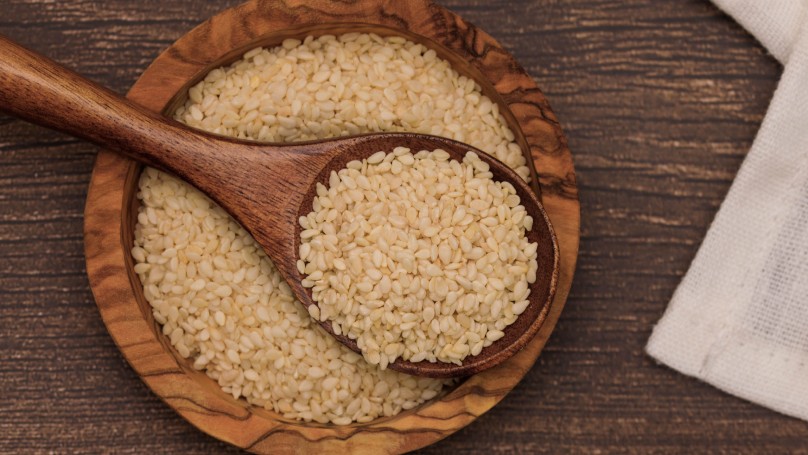
Have you ever looked at a handful of sesame seeds and wondered how something so small could carry so much nutritional power? These tiny golden or black seeds have been part of human diets for thousands of years, yet many people still underestimate their value. Sesame is not just a topping sprinkled on bread, burgers, or desserts; it is a nutrient-dense food packed with healthy fats, plant-based protein, minerals, antioxidants, and bioactive compounds that can support different aspects of our health.
But what makes sesame truly fascinating is its versatility. You can consume it as whole seeds, tahini, sesame oil, or as an ingredient in countless traditional dishes. A simple spoonful of tahini added to breakfast or a sprinkle of sesame over a meal can quietly increase the nutritional value of your diet.
What Is Sesame?
Sesame, scientifically known as Sesamum indicum, is one of the oldest oilseed crops cultivated by humans. Although modern consumers often see sesame as a simple ingredient on bakery products, its history tells a much bigger story. This small seed has traveled across continents, influenced traditional medicine systems, and become an important part of cuisines from Asia, Africa, the Middle East, and the Mediterranean.
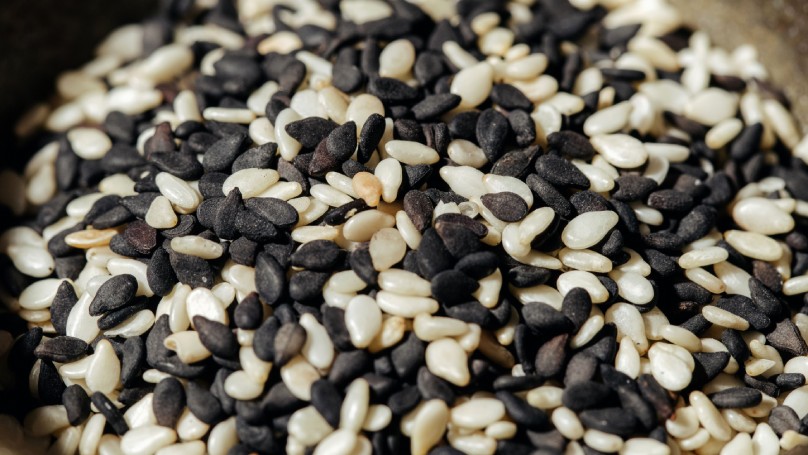
The sesame plant grows best in warm climates and produces small seed pods containing hundreds of tiny seeds. These seeds come in different colors, including white, golden, brown, and black. Despite their appearance differences, all varieties share impressive nutritional characteristics.
Imagine sesame as a small battery. It does not look powerful from the outside, but inside it stores valuable energy and nutrients. A handful of sesame seeds contains a combination of healthy fats, minerals, antioxidants, and plant compounds that the body can use for many important functions.
The History and Cultural Importance of Sesame
For thousands of years, sesame has been more than just a small seed used in cooking. It has represented nutrition, sustainability, and agricultural value across different civilizations. From ancient Mesopotamia and Persia to modern international markets, sesame has maintained its position as one of the world’s most valuable oilseed crops.
The history of sesame is deeply connected with the Middle East, including Iran, where agriculture has always played an important role in food culture and trade. Iranian farmers have cultivated sesame in suitable warm regions for generations, benefiting from the crop’s ability to adapt to dry climates and its relatively efficient water requirements. Today, sesame cultivation continues in several parts of Iran, especially in warmer provinces where the climate supports oilseed production.
Different Types of Sesame Seeds
Although many people think all sesame seeds are identical, several varieties exist, each with unique characteristics.
| Type of Sesame | Characteristics | Common Uses |
|---|---|---|
| White Sesame | Mild flavor, creamy texture | Bread toppings, tahini, sauces |
| Golden Sesame | Rich aroma and balanced taste | Cooking and snacks |
| Black Sesame | Stronger flavor, higher antioxidant content | Desserts, Asian dishes |
| Brown Sesame | Earthy taste and natural appearance | Traditional recipes |
White sesame is the most common variety used commercially. It has a mild, slightly nutty flavor and works well in many dishes. It is frequently used in bakery products, salads, and sauces because it blends easily with other ingredients.
Sesame Nutrition Profile
The nutritional strength of sesame comes from its impressive combination of macronutrients, minerals, and protective plant compounds. While sesame seeds are small, they are nutritionally concentrated, meaning a small serving can contribute significantly to your daily nutrient intake.
A typical serving of sesame seeds contains healthy fats, protein, fiber, and important minerals. This combination makes sesame different from many processed snack foods that provide calories without meaningful nutrition.
Think of sesame as a compact nutritional package. Instead of offering only one benefit, it delivers multiple nutrients that work together. Healthy fats support cell function, protein helps maintain tissues, minerals contribute to structural health, and antioxidants help protect the body.
The following table shows the approximate nutritional value of sesame seeds per 100 grams:
| Nutrient | Amount (Approximate) |
|---|---|
| Calories | 570–600 kcal |
| Protein | 17–20 g |
| Fat | 50–55 g |
| Carbohydrates | 20–25 g |
| Fiber | 10–12 g |
| Calcium | 900–1000 mg |
| Magnesium | 350+ mg |
| Iron | 10–15 mg |
One important point is that sesame calories mainly come from healthy fats. This does not mean sesame should be eaten without limits, but it does mean these calories come with valuable nutrients.

Essential Vitamins and Minerals in Sesame
Sesame is often described as a nutritional powerhouse because of its impressive mineral content. While vitamins are important, minerals are equally essential because they participate in hundreds of biological processes inside the human body.
One of the most recognized minerals in sesame is calcium. Calcium is commonly associated with dairy products, but sesame seeds are also naturally rich in this mineral. Calcium contributes to maintaining strong bones and teeth, supporting muscle function, and helping the nervous system communicate effectively.
However, calcium is not the only important mineral found in sesame. Magnesium, iron, zinc, phosphorus, and copper are also present in meaningful amounts.
| Mineral | Role in the Body |
|---|---|
| Calcium | Supports bones, teeth, and muscle function |
| Magnesium | Helps energy production and muscle relaxation |
| Iron | Supports oxygen transportation in the blood |
| Zinc | Supports immune function and cell repair |
| Copper | Helps produce connective tissues and enzymes |
| Phosphorus | Works with calcium for bone structure |
A simple way to understand minerals is to imagine your body as a complex machine. Vitamins and minerals are the small components that keep every system working smoothly. Without them, the machine may continue operating, but performance gradually decreases.
Skin and Hair Benefits of Sesame
For centuries, people have searched for natural ingredients that can help maintain healthy skin and strong hair. Before the modern beauty industry introduced thousands of creams and chemical-based products, many cultures relied on traditional oils and plant-based ingredients. Sesame was one of these ancient beauty secrets.
The same nutrients that make sesame valuable for internal health can also support external beauty. Its rich combination of healthy fats, antioxidants, vitamins, and minerals makes it a valuable ingredient in skincare and haircare routines. Sesame oil, extracted from sesame seeds, has been used in traditional wellness practices across Asia, the Middle East, and especially regions where sesame cultivation has been part of agricultural heritage.
Sesame contributes to skin health through several mechanisms:
| Sesame Component | Potential Skin Benefit |
|---|---|
| Unsaturated fatty acids | Helps maintain skin moisture and softness |
| Vitamin E compounds | Supports protection against oxidative stress |
| Antioxidants | Helps defend skin cells from environmental damage |
| Zinc | Supports skin repair processes |
| Linoleic acid | Helps maintain skin barrier function |
Conclusion
Sesame may look like a small ingredient, but its impact on human nutrition tells a much bigger story. For thousands of years, this ancient seed has supported communities, influenced food cultures, and provided valuable nutrients that contribute to overall wellness. From the farms where sesame plants grow under warm sunlight to the kitchens where these seeds become tahini, oils, and nutritious meals, sesame represents the connection between agriculture, health, and global food traditions.
The health and nutrition benefits of sesame come from its impressive combination of healthy fats, plant-based protein, dietary fiber, minerals, and antioxidant compounds. These nutrients can support important areas of health, including cardiovascular wellness, bone strength, digestion, skin quality, hair health, and the body’s natural defense systems.