
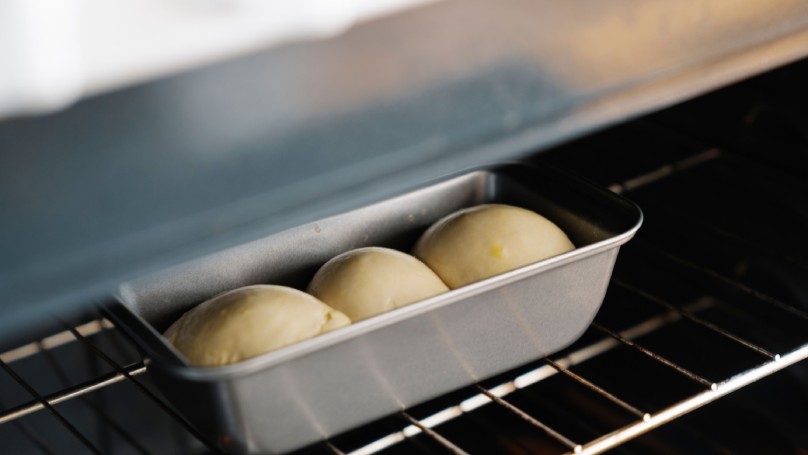
The quality of bread depends on many factors, including flour quality, yeast performance, fermentation conditions, mixing techniques, and baking processes. However, in modern industrial baking, achieving consistent texture, volume, freshness, and appearance can be challenging without the support of specialized ingredients known as bread improvers.
Bread improvers are carefully formulated blends of functional ingredients designed to enhance dough performance and improve the final characteristics of bread. They help bakers produce products with better volume, softer crumb structure, longer shelf life, improved stability, and consistent quality across different production batches.
From small artisan bakeries to large-scale industrial bread manufacturers, bread improvers have become an essential part of professional baking systems. They allow manufacturers to overcome challenges caused by variations in flour quality, environmental conditions, production speed, and consumer expectations.
What Are Bread Improvers?
Bread improvers are specialized baking ingredient blends added to dough to improve its processing properties and enhance the quality of the final bread product.
Unlike basic ingredients such as flour, water, salt, and yeast, bread improvers do not primarily provide volume or flavor by themselves. Instead, they optimize the interaction between dough components, especially gluten, yeast, and water.
A typical bread improver may contain:
- Enzymes
- Emulsifiers
- Oxidizing agents
- Reducing agents
- Minerals
- Flour treatment agents
- Dough conditioners
- Functional ingredients
The exact formulation depends on the type of bread being produced, production method, and desired characteristics.
For example:
- A sandwich bread manufacturer may need a softer crumb and longer freshness.
- A frozen dough producer may need improved dough stability.
- An industrial bakery may require consistent volume and machinability.
Bread improvers are customized to solve these specific challenges.
Why Are Bread Improvers Important in Modern Baking?
The modern baking industry operates in a highly competitive environment where consumers expect bread products that are not only delicious but also consistent, visually appealing, affordable, and able to maintain freshness for longer periods. Meeting these expectations can be challenging because bread production depends on many variables, including flour quality, yeast performance, fermentation conditions, mixing processes, and baking technology.
In traditional baking, skilled bakers often adjusted recipes manually based on experience and environmental conditions. However, modern industrial bakeries produce thousands of loaves per hour, making consistency and efficiency essential. Small variations in raw materials or production conditions can significantly affect the final product. Bread improvers help minimize these variations and ensure that each batch meets the desired quality standards.
1. Maintaining Consistent Bread Quality
One of the biggest challenges in commercial baking is maintaining the same quality from batch to batch. Wheat flour is a natural ingredient, and its characteristics can change depending on:
- Wheat variety and origin
- Weather conditions during cultivation
- Protein and gluten content
- Milling techniques
- Storage conditions
These variations can affect dough strength, fermentation behavior, and final bread characteristics.
Bread improvers help standardize dough performance by balancing these differences. They provide bakers with better control over the production process, ensuring consistent loaf volume, crumb structure, softness, and appearance.
For large-scale bakeries and international food manufacturers, this consistency is essential because customers expect the same product quality every time they purchase a brand.
2. Improving Dough Strength and Stability
The quality of bread largely depends on the strength and flexibility of the gluten network. Gluten acts as the structural framework of dough, allowing it to trap carbon dioxide produced by yeast during fermentation.
However, some flours may have weak gluten properties, making it difficult to achieve good dough development and bread volume.
Bread improvers support gluten functionality by:
- Strengthening dough structure
- Improving gas retention
- Increasing dough tolerance during processing
- Enhancing fermentation stability
As a result, dough becomes easier to handle and more suitable for modern production systems, where dough must withstand mechanical mixing, dividing, shaping, and transportation.

3. Supporting High-Speed Industrial Production
Modern bakeries rely heavily on automation and advanced processing equipment. Unlike traditional bakeries, where products are made manually in smaller quantities, industrial bakeries require dough that can perform consistently under demanding production conditions.
During industrial processing, dough is exposed to:
- Intensive mixing
- Mechanical stress
- Short production times
- Automated shaping systems
- Extended distribution networks
Without proper dough conditioning, these processes can negatively affect bread quality.
Bread improvers improve dough resilience and processing tolerance, allowing manufacturers to increase production efficiency while maintaining product quality.
4. Extending Bread Freshness and Shelf Life
One of the most important expectations from modern consumers is longer-lasting freshness. Bread naturally undergoes changes after baking, including moisture loss and starch retrogradation, which lead to firmness and staling.
Bread improvers help slow these processes by improving the internal structure of bread and maintaining moisture distribution.
Benefits include:
- Softer crumb texture for a longer period
- Reduced staling rate
- Improved consumer experience
- Lower product waste throughout the supply chain
For retailers and distributors, longer shelf life means fewer product returns and better inventory management.
5. Enhancing Bread Volume and Appearance
Consumers often judge bread quality by its appearance before tasting it. A well-developed loaf with good height, uniform shape, and attractive crust color creates a stronger perception of quality.
Bread improvers contribute to improved visual characteristics by:
- Increasing dough expansion during fermentation
- Improving gas retention
- Supporting better oven spring
- Creating a more uniform crumb structure
This is particularly important for packaged bread products, sandwich loaves, buns, and other commercial bakery items where appearance influences purchasing decisions.
6. Optimizing Yeast Performance
Yeast is responsible for fermentation and gas production, but its performance depends heavily on the surrounding dough environment.
Bread improvers help create conditions where yeast can work more effectively by:
- Improving nutrient availability
- Supporting fermentation stability
- Creating better dough structure for gas retention
The relationship between yeast and bread improvers is especially important in industrial baking. While yeast produces the gases responsible for dough expansion, bread improvers help capture and maintain those gases, resulting in better loaf volume and texture.
7. Reducing Production Losses and Improving Efficiency
For commercial bakeries, even small improvements in production efficiency can have a significant economic impact.
Bread improvers help reduce problems such as:
- Dough inconsistency
- Poor loaf volume
- Uneven texture
- Production failures
- Short shelf life
By improving process reliability, bakeries can reduce waste, optimize raw material usage, and increase overall profitability.
8. Meeting Changing Consumer Expectations
Consumer preferences in the bakery market continue to evolve. Today’s customers demand products that are:
- Fresh for longer
- Soft and enjoyable
- Produced consistently
- Made with high-quality ingredients
- Suitable for different dietary preferences
Bread improvers allow manufacturers to respond to these market demands while maintaining efficient production processes.
From traditional bread and toast products to frozen dough systems and specialty bakery items, improvers provide the flexibility needed to develop modern bakery solutions.
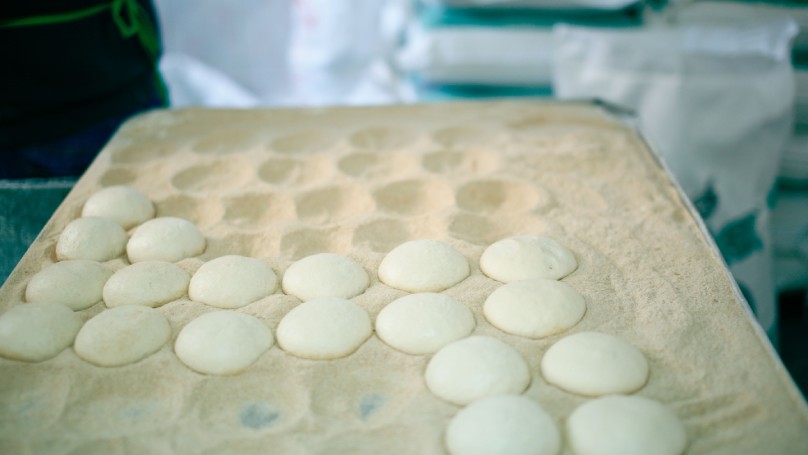
The Growing Importance of Bread Improvers in the Global Bakery Industry
As bakery production becomes increasingly globalized, manufacturers face new challenges related to transportation, distribution, and product consistency across different markets. Bread may need to maintain its quality for days or even weeks after production, especially when supplied through supermarkets, export channels, and international food networks.
Bread improvers provide the technological foundation that allows bakeries to overcome these challenges. They help transform basic dough ingredients into reliable, high-quality bakery products that meet both industrial requirements and consumer expectations.
For this reason, bread improvers have become an essential component of professional baking, supporting manufacturers in producing better bread with greater efficiency, consistency, and quality.
Benefits of Using Bread Improvers
Bread improvers provide significant advantages for bakeries by improving dough performance, enhancing bread quality, and increasing production efficiency. In modern baking, where manufacturers must deliver consistent products with longer freshness and attractive characteristics, bread improvers have become an essential tool. They help optimize the interaction between flour, yeast, water, and other ingredients, allowing bakers to achieve better results even when facing variations in raw materials or production conditions.
By improving dough structure and fermentation performance, bread improvers enable bakeries to produce bread with higher volume, softer texture, improved appearance, and extended shelf life. These benefits are particularly important for industrial bakeries that require reliable production processes and consistent quality across thousands of products.
- Increased Bread Volume
- Softer Texture and Improved Crumb Structure
- Extended Shelf Life and Freshness
- Improved Dough Handling and Processing Efficiency
- Better Fermentation Control
- Consistent Product Quality
- Reduced Production Waste and Higher Efficiency
- Adaptability for Different Bakery Products
- Supporting Large-Scale and Export-Oriented Bakeries
Overall, bread improvers are not simply ingredients that improve appearance; they are advanced baking solutions that enhance the entire production process. From improving dough strength and fermentation to extending shelf life and ensuring consistent quality, they help modern bakeries produce reliable, high-quality bread products that meet the expectations of today’s global market.
Conclusion
Bread improvers have become an essential part of modern baking technology, helping manufacturers achieve higher quality, consistency, and efficiency in bread production. By improving dough strength, fermentation performance, texture, volume, and shelf life, these functional ingredients allow bakeries to meet the growing expectations of consumers and compete effectively in the global bakery market.
For bakeries looking for a dependable partner in the supply of bread improvers, yeast, and sesame, Mehradcompany offers professional solutions designed to meet the needs of modern bakery operations and international food industries.